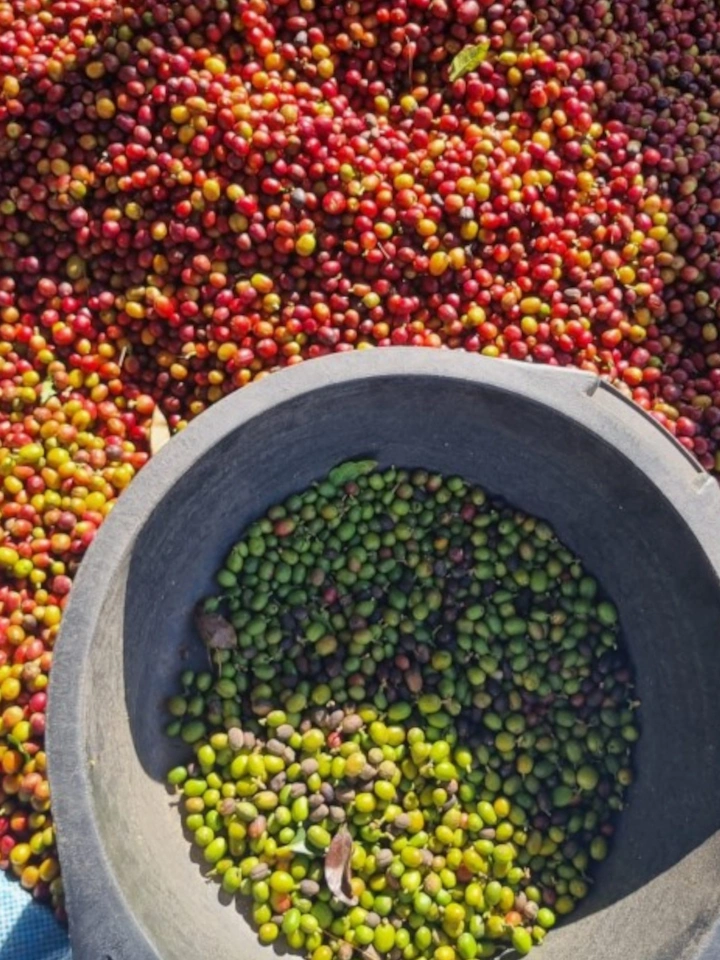
Our Farm
Rooted in Indonesia’s highlands, we cultivate more than coffee — we nurture tradition, sustainability, and the stories of the farmers who grow it. Every bean reflects their passion, our promise.
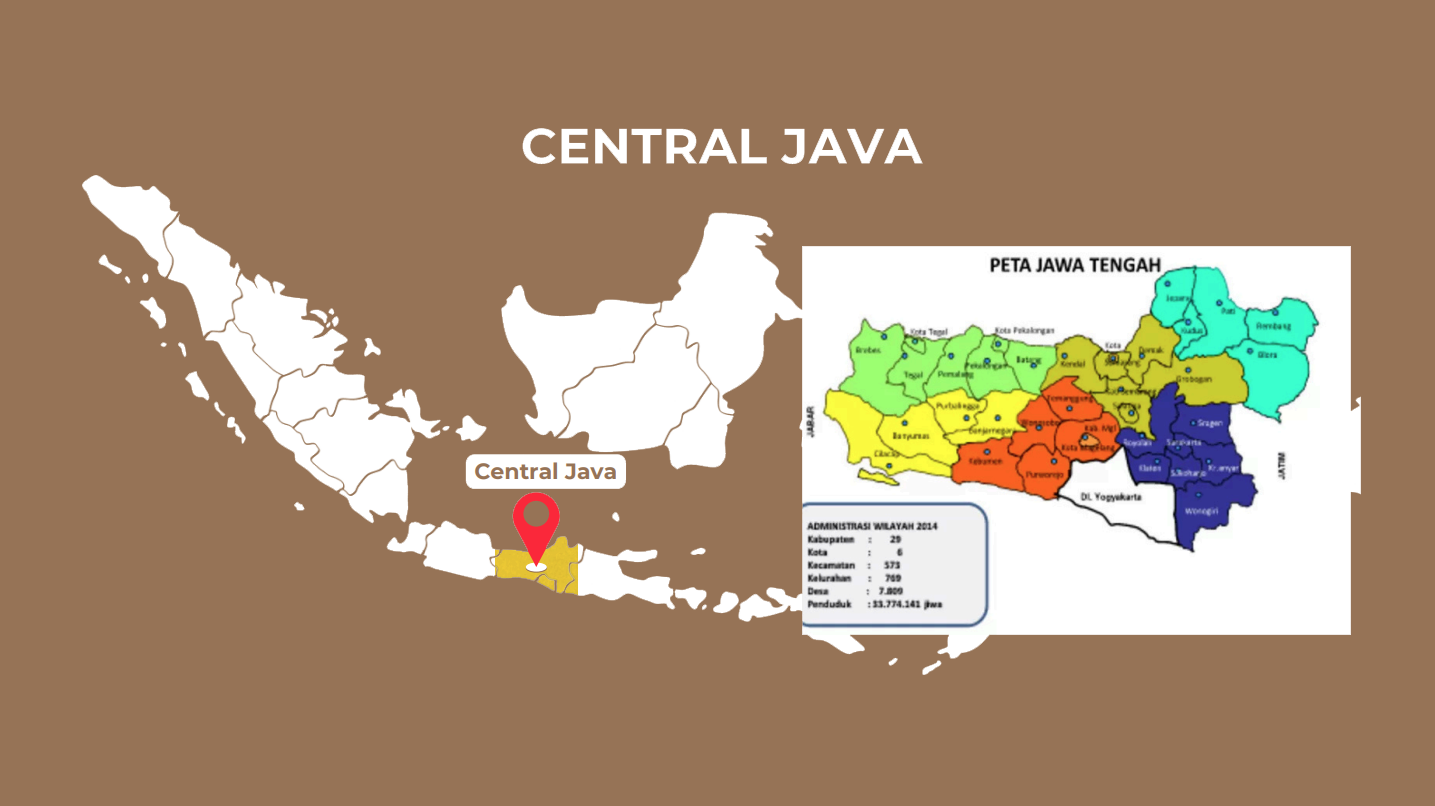
cENTRAL JAVA
West Java is known as the birthplace of Indonesian coffee, with a history dating back to the Dutch colonial period. Blessed with fertile volcanic soil and ideal altitudes, the region produces coffee with rich flavors and distinct profiles. From Gunung Halu to Mount Patuha, West Java’s coffee reflects the dedication of skilled farmers combining tradition with innovation to deliver exceptional quality.
Historical :
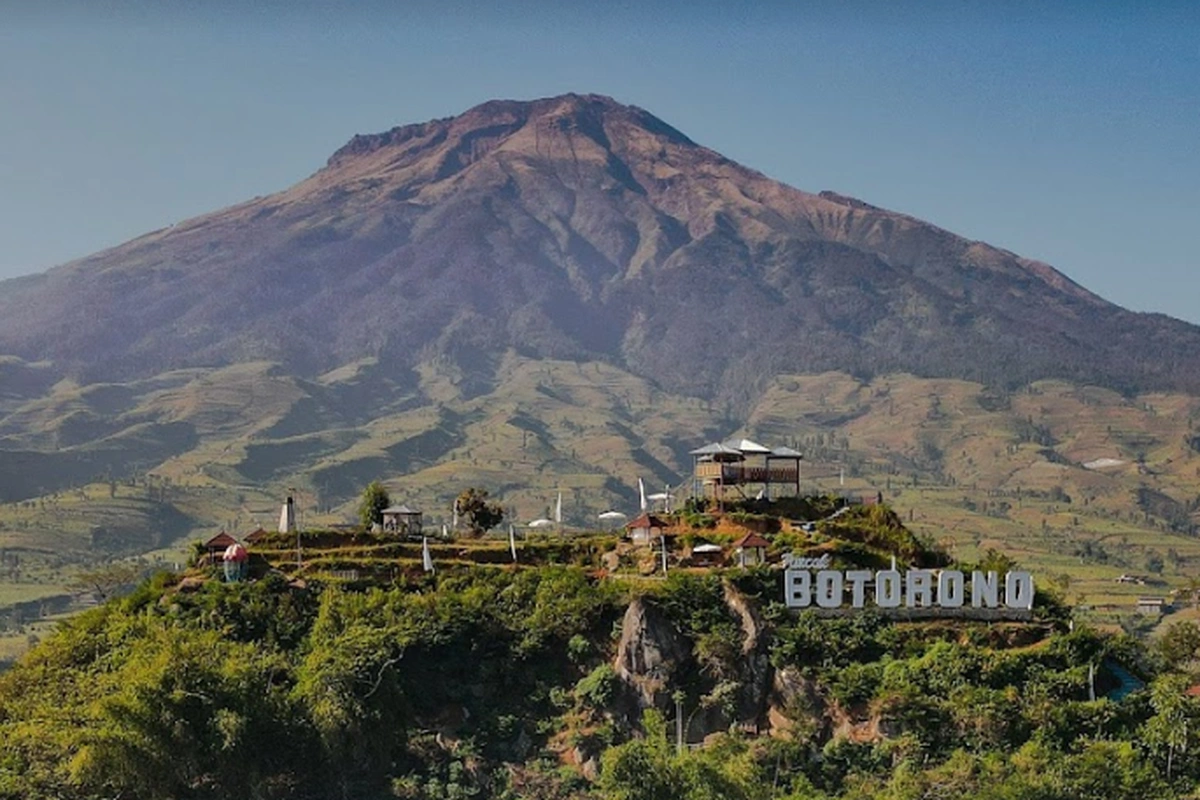
The history of coffee cultivation in Central Java dates back to the early 18th century during the Dutch colonial era. The Dutch East India Company (VOC) introduced coffee plants to Java, particularly in regions like Temanggung and Banjarnegara, which offered fertile volcanic soil and ideal highland conditions. Central Java quickly became one of the key coffee-producing regions in Indonesia.
Flavor Profile :
Central Java coffee offers a distinctive flavor experience characterized by:
- Aroma: Earthy with herbal and floral notes
- Body: Medium to full-bodied with a smooth texture
- Acidity: Balanced acidity, adding brightness without overpowering the taste
- Tasting Notes: Chocolatey, nutty undertones with hints of tropical fruit and spices
Coffee Bean Spesification :
1. Temanggung, Central Java
- Varietal: Kartika, Line S, Ateng Super, Sigararutang, Typica, Bourbon
- Altitude: 1,200 – 1,600 meters above sea level
- Soil Type: Volcanic soil, rich in nutrients ideal for coffee growth
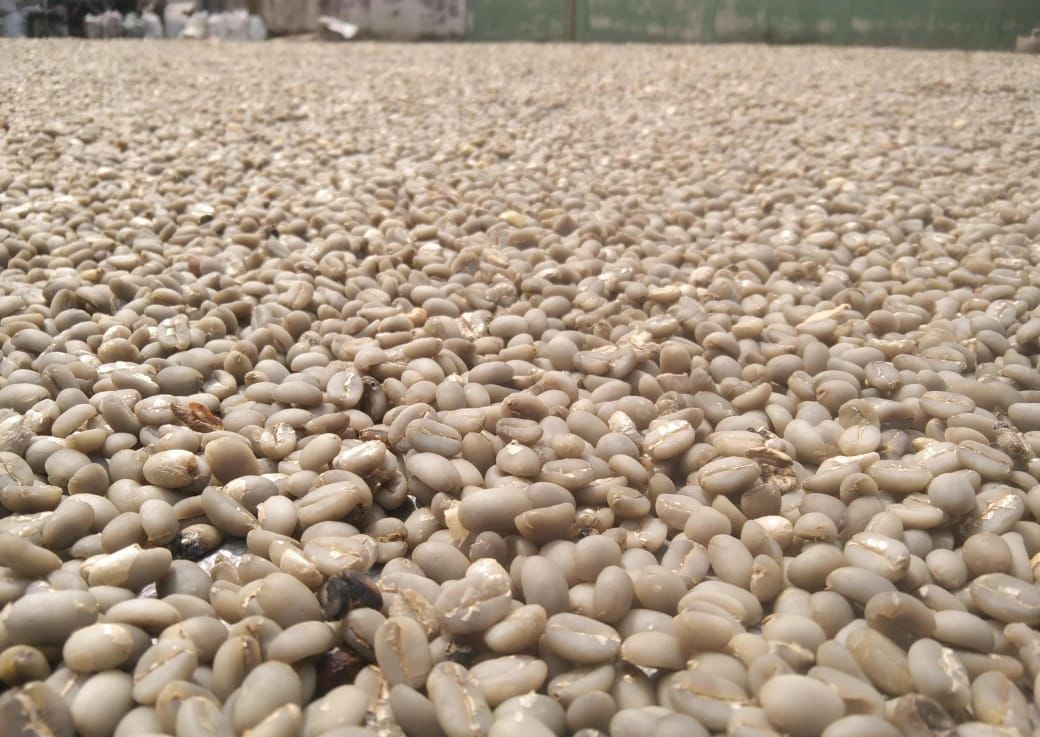
- Processing Methods: Experimental processes using yeast/inoculant fermentation
- Harvest Period: April – June
- Farmland Size: ± 10 hectares
- Total Yield: ± 4 – 5 tons of green beans per year
2. Banjarnegara, Central Java
- Varietal: Ateng Super, Sigararutang, Kartika
- Altitude: –
- Soil Type: Fertile volcanic soil with optimal drainage
- Processing Methods: Natural, Honey, Washed, and Experimental processes using yeast/inoculant fermentation
- Harvest Period: March
- Farmland Size: ± 15 hectares
- Total Yield: ± 30 tons of cherry per year