
Our Farm
Rooted in Indonesia’s highlands, we cultivate more than coffee — we nurture tradition, sustainability, and the stories of the farmers who grow it. Every bean reflects their passion, our promise.

SOUTH SULAWESI
West Java is known as the birthplace of Indonesian coffee, with a history dating back to the Dutch colonial period. Blessed with fertile volcanic soil and ideal altitudes, the region produces coffee with rich flavors and distinct profiles. From Gunung Halu to Mount Patuha, West Java’s coffee reflects the dedication of skilled farmers combining tradition with innovation to deliver exceptional quality.
Historical :
Toraja coffee hails from the mountainous regions of Tana Toraja and North Toraja in South Sulawesi. Coffee cultivation in this region traces back to the 17th century during the Dutch colonial era when Arabica coffee was introduced. The unique topography, cultural traditions, and rich volcanic soil have contributed to the exceptional quality of Toraja coffee. Local farmers have long embraced traditional farming methods, passing down expertise through generations, ensuring the preservation of Toraja’s signature coffee profile.
Toraja coffee holds a prestigious reputation, once known as the “Coffee of Kings” due to its demand among European aristocracy. Today, it remains a distinguished Indonesian coffee, renowned for its complex flavors and rich heritage.

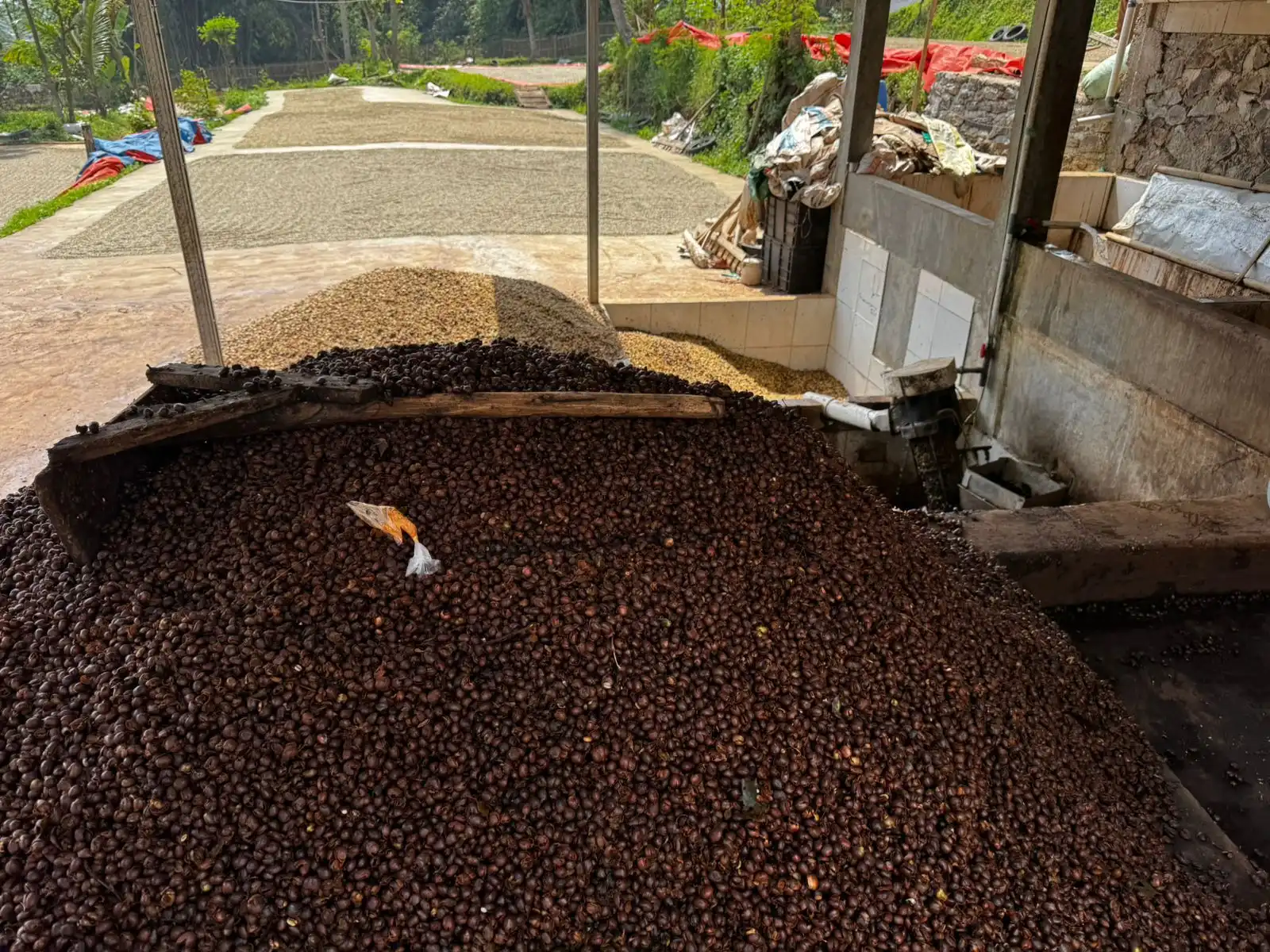
Flavor Profile :
Toraja coffee is celebrated for its bold, full-bodied taste with low acidity and deep earthy notes. It offers hints of dark chocolate, spices, and a slightly woody aroma, complemented by a clean and smooth finish. The balanced complexity and lingering aftertaste make it highly sought-after among coffee enthusiasts.
Coffee Bean Spesification :
- Origin: Tana Toraja and North Toraja, South Sulawesi, Indonesia
- Varietal: Arabica (Typica, S795, and Catimor)
- Altitude: 1,400 – 2,100 meters above sea level
- Soil Type: Volcanic soil with high mineral content, contributing to the coffee’s distinct flavor profile
- Processing Methods: Wet-hulled (Giling Basah), Natural, and Honey
- Harvest Period: May – October
- Farmland Size: 15.5 hectare
- Total Yield: Varies seasonally, estimated between 15 tons annually
